Amigurumi Gingerbread Tree Free Pattern: Easy Crochet Toy
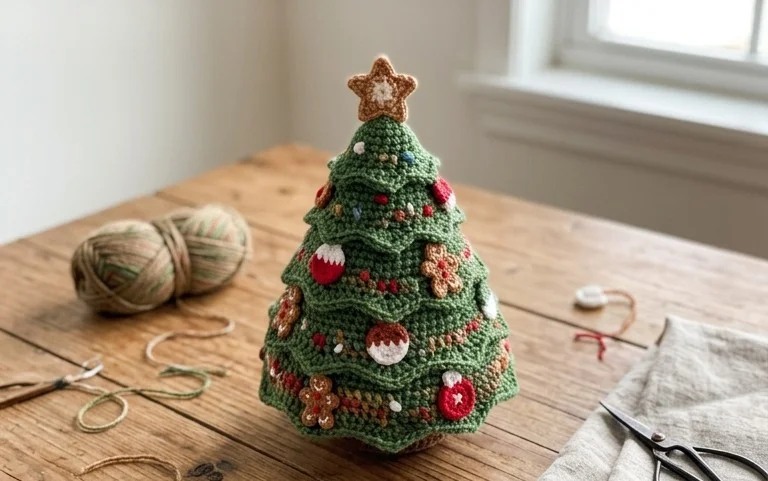
This miniature tree stands eight inches tall and has a warm brown hue reminiscent of freshly baked holiday cookies. You will find that the tight stitches create a firm shape that holds its form beautifully when displayed on a mantle or hung as a decorative ornament. Creating this soft figure requires basic increases and decreases, making it a manageable task for anyone familiar with simple rounds. The finished toy feels sturdy in your hand, yet soft enough to handle as a playful addition to your winter collection. Learning how to shape the conical branches allows you to build confidence with shaping techniques before the busy festive season arrives.
Why You’ll Love This Pattern
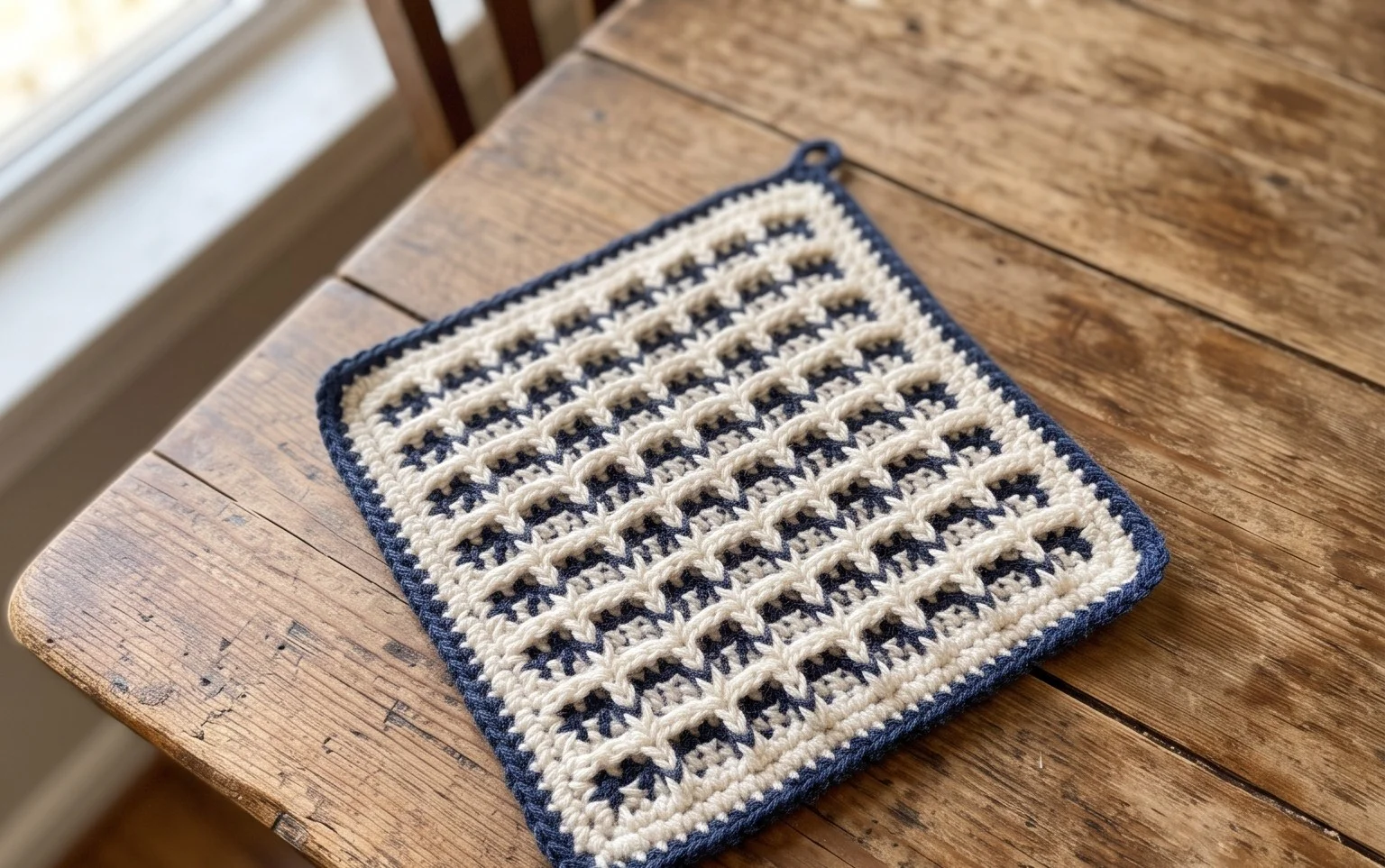
This classic crochet dishcloth is designed to be the ultimate workhorse in your kitchen. It uses a dense, textured stitch pattern that provides excellent scrubbing power for pots and pans while remaining gentle on delicate glassware. Because the construction uses a single piece of cotton yarn worked in a back-and-forth motion, you do not need to worry about complex assembly or changing colors. The project is highly portable, fitting easily into a small project bag, and it works up in less than an hour, making it an ideal choice for last-minute housewarming gifts or replenishing your own supply of sustainable cleaning tools.
I switched to using these handmade cloths because they wash so well in the machine and hold their shape much better than the flimsy store-bought sponges I used to buy.
— Sarah, home cook
Pattern Overview & Skill Level
- Skill Level: Beginner
- Approximate Time: 45 to 60 minutes
- Construction: Flat panel worked in rows
- Finished Dimensions: 8 inches by 8 inches
Materials & Supplies Needed
- Yarn: Worsted #4 weight, 100% cotton, approximately 60 yards.
- Hook Size: 5.0 mm (H-8).
- Notions: Tapestry needle for weaving in ends, pair of scissors.
- Yarn Substitutions: Stick to 100% cotton or a cotton-linen blend. Acrylic yarn is not recommended because it is not absorbent and will melt if it touches a hot pan.
Stitch Guide & Abbreviations (US Terms)
- ch: chain
- sc: single crochet
- dc: double crochet
- st(s): stitch(es)
- sp: space
- RS: right side
- WS: wrong side
Step-by-Step Pattern Instructions
Main Body
The texture of this dishcloth comes from alternating single crochet and double crochet stitches, which creates a bumpy, durable surface.
- Row 1: Ch 30, sc in the 2nd ch from hook and in each ch across. Turn. (29 sts)
- Row 2: Ch 1, *sc in the next st, dc in the next st; repeat from * across until 1 st remains, sc in the last st. Turn. (29 sts)
- Row 3: Ch 1, *dc in the next st, sc in the next st; repeat from * across until 1 st remains, dc in the last st. Turn. (29 sts)
- Rows 4–28: Repeat Rows 2 and 3 consecutively.
- Row 29: Ch 1, sc in each st across. Fasten off. (29 sts)
Finishing
Once you have finished the final row, cut the yarn, leaving a six-inch tail. Pull the yarn tail through the final loop on your hook to secure the knot. Use a tapestry needle to weave the tail back and forth through the stitches on the edge of the cloth to hide it. Trim any remaining excess yarn close to the fabric, being careful not to snip the stitches themselves.
Care & Washing Instructions
- Machine wash in warm water on a gentle cycle to remove kitchen grease.
- Lay flat on a clean towel to air dry to prevent the cotton from shrinking or losing its square shape.
- Avoid using fabric softener, as it leaves a coating on the fibers that reduces the absorbency of the cotton.
Pro Tips & Common Mistakes to Avoid
Maintain consistent tension throughout the project to ensure the edges remain straight. If you pull your yarn too tightly on the double crochet stitches, the fabric will become stiff and lose its flexibility. Use a stitch marker on the first stitch of every row if you find yourself accidentally skipping the first or last stitch, which is a common error that leads to a lopsided triangle shape instead of a square. To adjust the size of the dishcloth, simply increase or decrease your starting chain by an even number; just remember that a larger size will require more than one skein of standard 50-gram cotton yarn.
Frequently Asked Questions
Can I use this pattern to make a larger washcloth?
Yes, you can increase the starting chain by any even number to make the cloth wider and add more rows to make it longer. Keep in mind that a significantly larger item will require extra yardage.
Is this pattern suitable for someone who just learned to crochet?
This pattern is perfect for beginners because it uses only two basic stitches and requires no complex shaping or color changes, helping you practice stitch consistency.
Should I block the finished dishcloth?
Blocking is optional for dishcloths. Because cotton fibers are naturally sturdy, the cloth will likely square itself up after the first wash and dry cycle.
May I sell the dishcloths I make using this pattern?
You are welcome to sell items made from this pattern provided you credit the design. Please do not redistribute the pattern text itself or claim the design as your own work.
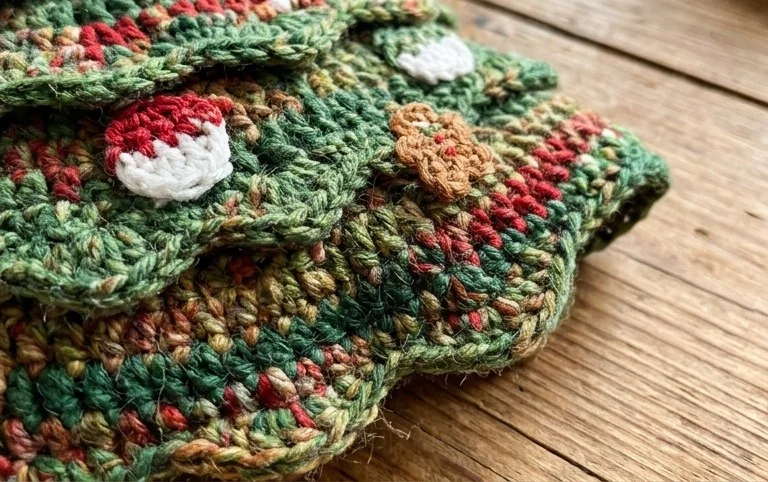
Displaying your finished creation adds a handmade touch to any desk or shelf during the coldest months of the year. If you want to change the style, try using a deep forest green yarn instead of brown to create a traditional fir tree look. Sharing a photo of your completed project with other makers helps provide inspiration for their own winter crafting sessions. You can find many other festive projects and seasonal designs available on the blog to fill your time before the holidays. Keep your hook busy and enjoy the creative process of making these small decorations for your home.