29 Free Victorian Fingerless Gloves Crochet Patterns
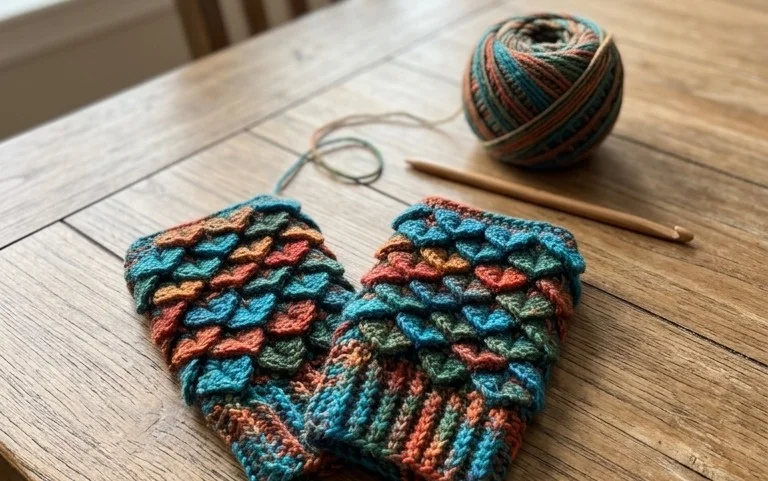
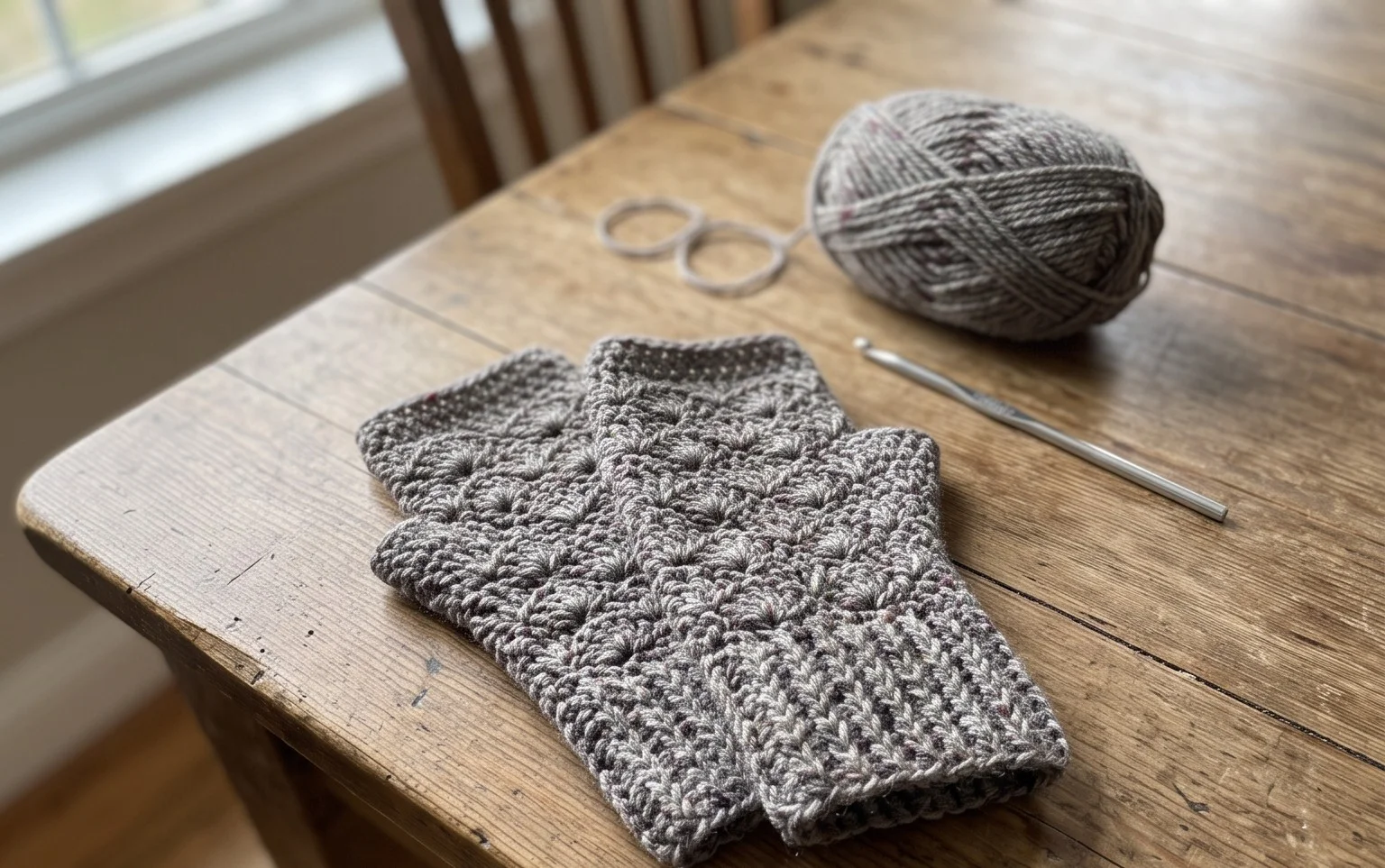
Soft lace yarn flowing over your knuckles creates a timeless look that feels like a piece of history. These fingerless gloves offer the warmth of wool without restricting your hands, making them practical for typing or reaching into your purse. Beginners often find these projects rewarding because they require only small amounts of yarn and basic stitches like double crochet or shells. You will learn to work in rounds to build that characteristic vintage shape that stays secure on the wrist. Wearing these handmade accessories adds a touch of character to your daily outfit while keeping your hands comfortable.
Why You’ll Love This Pattern
This beginner-friendly crochet coaster pattern provides an immediate sense of accomplishment because each piece works up in less than 20 minutes. The design relies on a basic circular construction that lays perfectly flat on any tabletop without curling at the edges. Because these coasters use less than 10 yards of yarn per unit, they are the ideal way to clear out those small leftover balls from larger projects. Cotton yarn creates a sturdy, absorbent surface that stands up to condensation from cold glasses while remaining soft enough to protect delicate wood finishes.
These were the first things I ever crocheted. The instructions are so easy to follow that I made a full set of six for my coffee table in a single afternoon.
— Sarah, hobbyist crafter
Pattern Overview & Skill Level
- Skill Level: Beginner
- Approximate Time: 15-20 minutes per coaster
- Construction: Worked in joined rounds, starting with a magic ring and increasing in consistent increments to maintain a flat circle.
- Finished Dimensions: Approximately 4 inches in diameter when using worsted weight cotton.
Materials & Supplies Needed
- Yarn: Worsted weight (#4) 100% cotton yarn. Approximately 8-10 yards per coaster. Cotton is essential for heat resistance and absorbency.
- Hook Size: 5.0 mm (US H-8) crochet hook.
- Notions: Tapestry needle for weaving in ends, scissors, and an optional stitch marker to track the beginning of each round.
- Safe yarn substitutions: Acrylic yarn is an acceptable substitute if you do not plan on placing hot mugs on the coasters, as acrylic may melt or deform under high heat. Wool is also an option, though it is less absorbent than cotton and requires delicate washing.
Stitch Guide & Abbreviations (US Terms)
- MR = Magic Ring (a method for starting a circle by crocheting over an adjustable loop)
- ch = Chain stitch
- sc = Single crochet
- inc = Increase (work 2 sc into the same stitch)
- sl st = Slip stitch (used to join rounds)
- st/sts = Stitch/stitches
Step-by-Step Pattern Instructions
Coaster Body
- Rnd 1: Start with a MR. Work 6 sc into the ring. Pull the tail to tighten the ring and sl st to the first sc to join. (6 sts)
- Rnd 2: Ch 1. Work 2 sc into every stitch around. Sl st to the first sc to join. (12 sts)
- Rnd 3: Ch 1. 1 sc in the next st, 2 sc in the following st. Repeat from * to * 6 times. Sl st to the first sc to join. (18 sts)
- Rnd 4: Ch 1. 1 sc in each of the next 2 sts, 2 sc in the following st. Repeat from * to * 6 times. Sl st to the first sc to join. (24 sts)
- Rnd 5: Ch 1. 1 sc in each of the next 3 sts, 2 sc in the following st. Repeat from * to * 6 times. Sl st to the first sc to join. (30 sts)
- Rnd 6: Ch 1. 1 sc in each of the next 4 sts, 2 sc in the following st. Repeat from * to * 6 times. Sl st to the first sc to join. (36 sts)
Finishing
After completing Round 6, fasten off your yarn, leaving a 4-inch tail. Pull the yarn tail through the final loop to secure it. Thread the tail onto your tapestry needle and weave it into the back side of the coaster, passing through the base of the stitches to ensure it stays hidden. Trim the excess yarn close to the fabric. Repeat the weaving process with the starting yarn tail from the magic ring to ensure the center remains tight and secure.
Care & Washing Instructions
- Machine wash on a gentle cycle in cold water using a mild detergent to prevent fiber breakdown.
- Reshape the coaster while damp by laying it flat on a clean towel and smoothing it into a perfect circle.
- Allow to air dry completely away from direct sunlight to maintain the color integrity of the cotton yarn.
Pro Tips & Common Mistakes to Avoid
Tension is the most frequent challenge for beginners; if your coaster begins to cup or bowl, your stitches are likely too tight, so consider moving up a hook size. To ensure your circle stays flat, always count your stitches at the end of every round to verify you have the correct multiple of six. Weaving ends in invisibly is best achieved by running your tapestry needle through the back loops of the stitches, which prevents the yarn from bunching on the surface. If you wish to make the coaster larger, continue the pattern of increasing by 6 stitches every round, adding one additional single crochet between each increase in every subsequent row.
Frequently Asked Questions
Can I use a different yarn weight for this pattern?
Yes, but you must adjust your hook size to match the yarn. Using a thinner yarn with a smaller hook will result in a smaller coaster, while a thicker yarn will produce a larger, chunkier coaster. Always aim for a dense fabric so the coaster can support the weight of a mug.
How do I know if my circle is starting to curl?
If your coaster forms a bowl shape, it is not increasing enough, which usually means your tension is too tight. If the edges become wavy or ruffled, you are increasing too often. In both cases, check your stitch counts against the pattern instructions for each round.
Can I sell the coasters I make from this pattern?
Most individual designers permit the sale of finished items made from their patterns, but you should check the specific terms of use provided by the creator. If allowed, always take your own photographs rather than using stock images from the tutorial.
Is cotton yarn the best choice for these?
Cotton is ideal because it is absorbent, heat-tolerant, and durable. It does not stretch out of shape as easily as acrylic or wool, ensuring your coasters remain flat even after repeated use and washing.
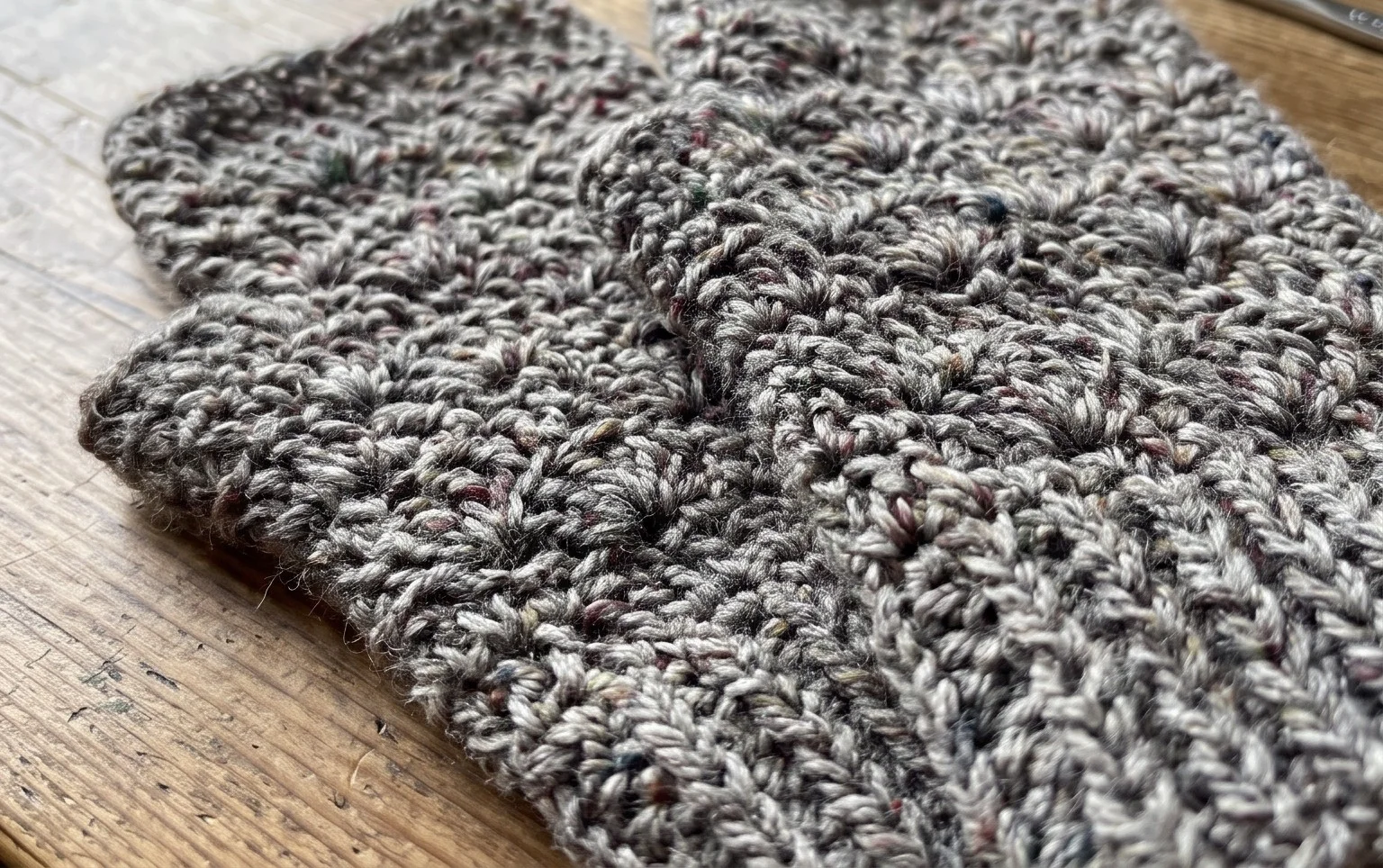
Wrapping your hands in handmade lace accessories gives you a genuine sense of accomplishment every time you pull them on. You might try using a metallic thread mixed with cotton for a shimmery evening look or sizing down your hook for a tighter, more structured fit. Snap a photo of your finished work and share it on social media so others can see your color choices. Browse our full archive of free patterns on the blog to find your next project to start this weekend.